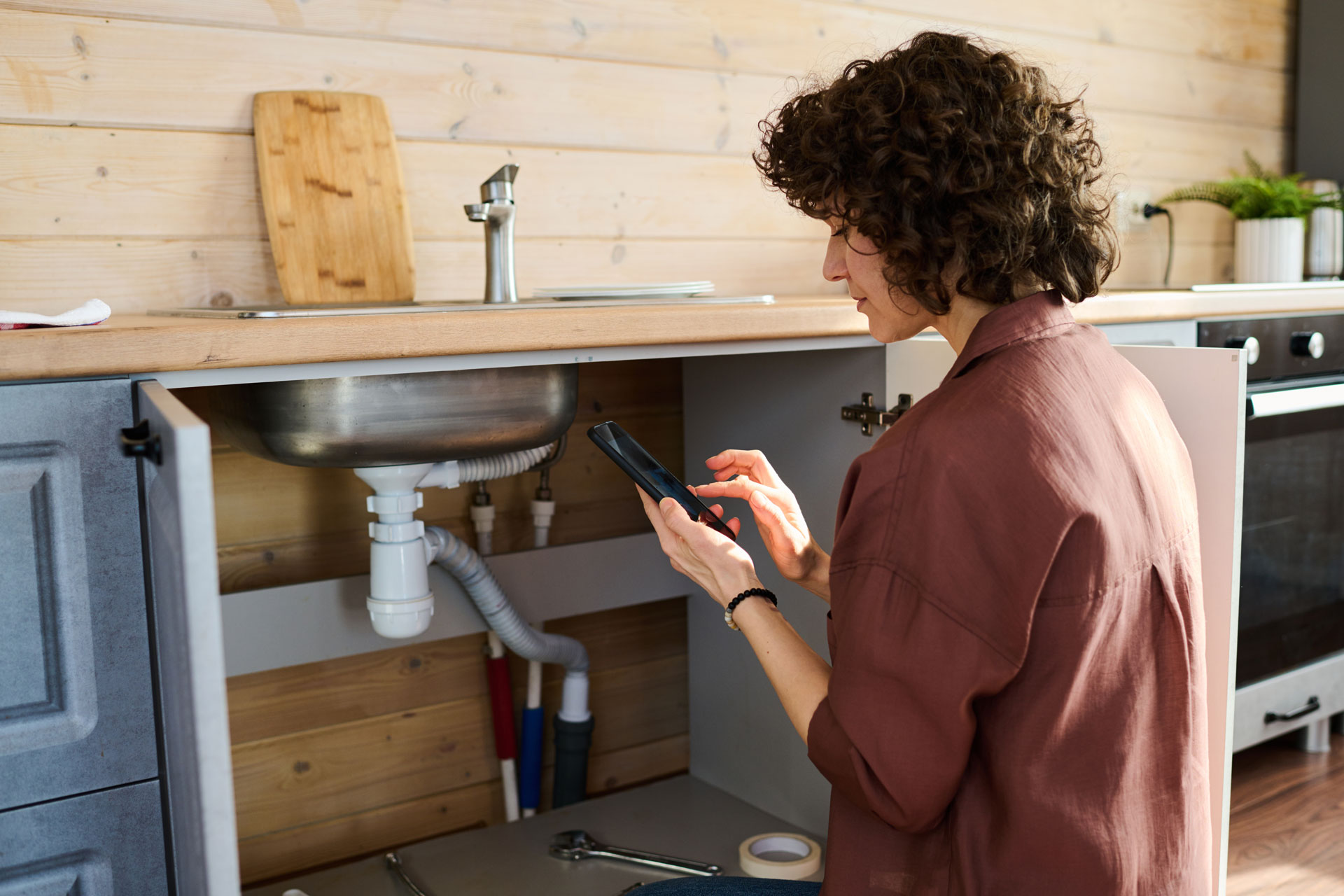
This guide explains how consistent maintenance can prevent the sudden disaster of burst water pipes. Failure is often gradual, caused by known stressors that can be mitigated with practical, proactive habits.
- Temperature shifts put stress on materials.
- High water pressure stresses joints.
- Corrosion and aging weaken materials.
- Clogs create back-pressure.
- Tree roots damage outdoor pipes.
- Insulation mitigates temperature changes.
- Pressure valves control water flow.
- Regular checks prevent escalation.
Burst pipes can ruin your day out of nowhere. One moment you’re happily going about your day, and then suddenly you are dealing with soaked floors and panic.
Although it seems like water pipes burst without rhyme or reason, the truth is that they are often avoidable. Once you understand what causes it, you can reduce the risk of it happening to you.
This guide will walk you through the most common causes and show how consistent, practical habits can help you protect your plumbing to limit the likelihood of costly repairs.
What Usually Causes Pipes to Fail
Understanding the causes of a water pipe burst will help you identify the risks early and act before any damage occurs. Although it seems sudden, most pipes fail under pressure after they have been gradually weakened over time.
Common causes include:
- Fluctuating temperatures that cause pipes to expand and contract, straining the pipe walls.
- High water pressure that puts stress on joints and fittings over time.
- Corrosion and ageing materials that lose strength as the years pass.
- Clogs that trap water and force pressure back through the system.
- Tree roots that crack or crush underground pipes as they grow.
Practical Ways to Prevent Water Pipes Bursting
You can prevent water pipes bursting by staying ahead of the abovementioned risks with consistent care rather than reactive fixes.
For example, pipe insulation around exposed plumbing will help mitigate temperature changes during cooler months. Even though Ballina rarely, if ever, drops below zero, this extra layer does its part to reduce the physical stress on pipes.
Water pressure deserves your attention as well. A pressure-limiting valve can help keep flow at safe levels, which will protect joints and older sections of pipe.
Regular inspections and maintenance by a qualified plumber can highlight issues before they escalate into a fully blown burst pipe. Work on keeping your drains clear, as blockages can cause pressure build-up in the system, resulting in burst pipes. If you notice slow flow around your drains, call a plumber to get it unblocked as soon as possible.
Don’t overlook your outdoor plumbing. Tree roots are a common cause of pipe damage, especially near sewer and water lines. Including these areas in your regular plumbing checks can help you catch potential issues early. A proactive inspection now could save you from costly excavation and emergency repairs later on.
If you want expert help preventing emergencies from a water pipe burst, then contact Sidney & Richardson today. We offer professional plumbing inspections and long-term pipe protection solutions.
FAQ's
Why does pipe failure happen out of nowhere?
Most pipes fail after being gradually weakened over time by issues that tend to develop unseen, such as corrosion or high pressure.
What can help protect pipes from temperature fluctuations in winter?
Pipe insulation around exposed plumbing will help buffer the system against temperature shifts and keep the water at a more consistent temperature, reducing stress on the pipes.
How can homeowners reduce the risk of joint stress and protect older pipe sections?
Installing a pressure-limiting valve can help keep the water flow at safe levels, protecting the joints and older sections of pipe from high pressure.